
Trees of Glory Animal Husbandry Fundraiser
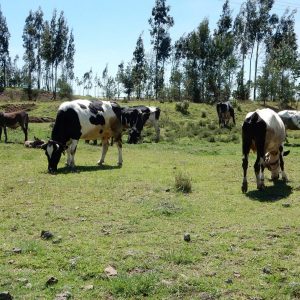

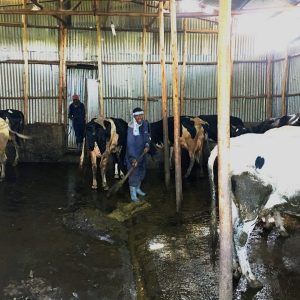
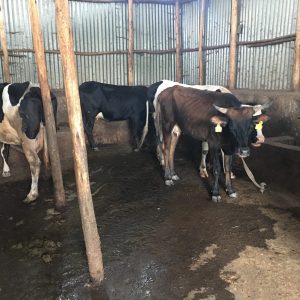
Trees Of Glory CarePoint has extensive experience in animal husbandry. This project intends to purchase and deliver dairy cows (dairy farms). The expected results are primarily increased CarePoint revenue, thereby enabling it to sustain itself economically. This proposal is designed to strengthen the CarePoint’s revenue-generating capacity to continue supporting 30 children and their guardians by leveraging revenue from milking cows.
Goals and Objectives
Goal: To generate revenue and ensure the successful graduation of the CarePoint by enhancing productivity and improving farm profitability, achieving both superior quality and high milk yields.
Objectives:
- To generate revenue to ensure CarePoint Graduation.
- To increase the quality of Animal husbandry practices and effectively utilize livestock for commercial purposes.
- Empowerment of Women: Ensure active participation and leadership of women within the team.
- Skill Development: Enhance the knowledge and skills of Women members in animal care and feeding.
Project Description and Activities
The animal husbandry development project aims to establish and support sustainable dairy farming systems for vulnerable households and community groups. The project focuses on improving milk production, household income, and nutrition, particularly for children and the community.
By providing dairy animals, training, and technical support, the project promotes family economic empowerment and livelihood resilience.
The project activities to be accomplished are as follows.
- Identifying the beneficiaries who have an interest and fulfill the rules and regulations of the organization.
- Delivering training about livestock production, feeding, protecting, sanitation, marketing, and veterinary issues.
- Purchase livestock and train guardians how to manage them in groups.
- Agreement with SHG on the general condition and manage the income for CarePoint Graduation and guardians.
- Check animals’ condition (health, injuries, abnormal behavior).
- Inspect fences, housing, and night damage.
- Confirm water systems are functioning properly.
Local contributions
The community’s contributions include providing land for the construction of shade structures, while provincial government representatives will offer low-cost training. Additionally, community members will contribute their labor.
Project Management, Monitoring & Evaluation
CHC is planned to manage the implementation of the given project with CarePoint. If necessary and appropriate, other government sectors can be involved in the evaluation and consultation processes. The project will be overseen by project staff, government partners, and Children’s HopeChest. The project staff reviews daily work and follows up to ensure the project is progressing properly. The government partner sector (women’s, youth, and children’s offices; finance office,
etc.) also evaluates the project’s progress. The project implementation review will be monthly, quarterly, and annually. Activities are closely monitored by project staff; any problems will be corrected immediately.
Reporting
The CarePoint and Children’s HopeChest head offices will prepare and submit the report based on the monitoring and evaluation results for all stakeholders, according to their respective responsibilities.
Project Description Budget
The total budget for the animal husbandry project is $41,715, including 20% for administrative costs. This budget covers the purchase of bred milking cows, feed, the construction of shade structures, land processing, material purchases, and labor.
The project will be implemented in two distinct phases.
Phase I: $28,429: Includes the purchase of 6 cows, feed for 6 months, veterinary expenses for 6 months, 2 security and 2 staff fees for 6 months, and shade renovation.
Phase II: $13,286: Includes the purchase of an additional 2 cows; feed; fees; veterinary expenses; 2 security guards; 2 staff fees for 6 months; and the cows’ shade expansion.
View HopeChest Projects
Continue to Checkout